
Understanding & Supporting Students with Sensory Differences in the Mainstream Classroom
Overview
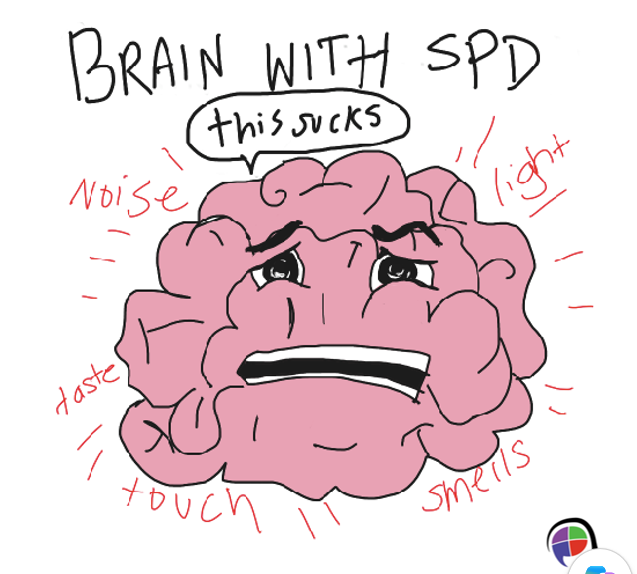
Sensory processing differences are far more common in mainstream classrooms than most teachers realise — and far less understood. A student who seems constantly distracted, who avoids certain textures or environments, who melts down seemingly out of nowhere, or who withdraws socially, may be responding to sensory input in a way that has nothing to do with motivation or behaviour, and everything to do with how their nervous system is processing the world around them.
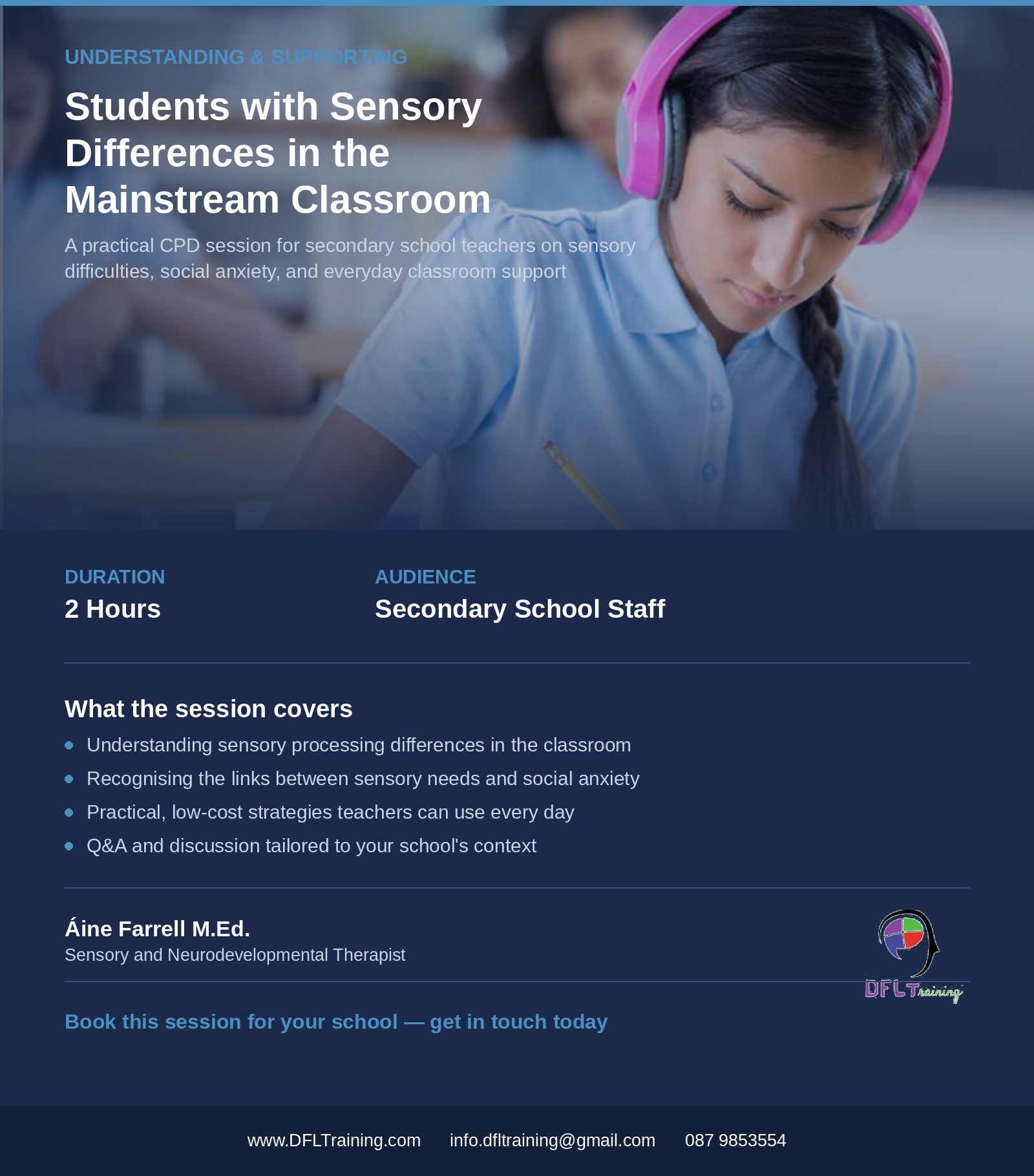
This session gives secondary school teachers a practical, grounded understanding of sensory processing differences — what they look like, why they matter, and what can realistically be done to support students day to day, within the normal constraints of a busy classroom.
What the Session Covers
Understanding Sensory Processing
What sensory processing is, and how differences in processing show up in behaviour
The difference between sensory-seeking and sensory-avoidant presentations
Why certain environments, subjects, or times of day can be particularly challenging
The Link Between Sensory Needs and Social Anxiety
How unmet sensory needs contribute to anxiety, withdrawal, and social difficulty
Why some students who appear "fine" academically can still be struggling significantly
Recognising the signs before they escalate into bigger behavioural or emotional difficulties
Case Studies
Real-world case studies illustrating how sensory differences present in secondary-aged students
A look at how small, targeted changes made a meaningful difference for these students
An opportunity to discuss how similar patterns might show up among your own students
Practical, Everyday Strategies
Low-cost, easy-to-implement classroom adjustments
Strategies that support regulation without singling students out or disrupting the wider class
Guidance on when and how to flag a student for further support
Discussion and Q&A
Time to raise questions specific to your own classroom or school context
Space to talk through real situations your staff are currently navigating
Format
Duration: 2 hours
Delivered on-site at your school
Suitable for whole-staff CPD days or smaller team sessions
Facilitated by Áine Farrell, M.Ed., Sensory and Neurodevelopmental Therapist
Who Should Attend
Classroom teachers, year heads, SEN coordinators, and any staff member who works directly with students and wants a clearer, more confident approach to supporting sensory needs.